Cashing In on Chaos: The Surprising Business Case for Music That Makes You Squirm
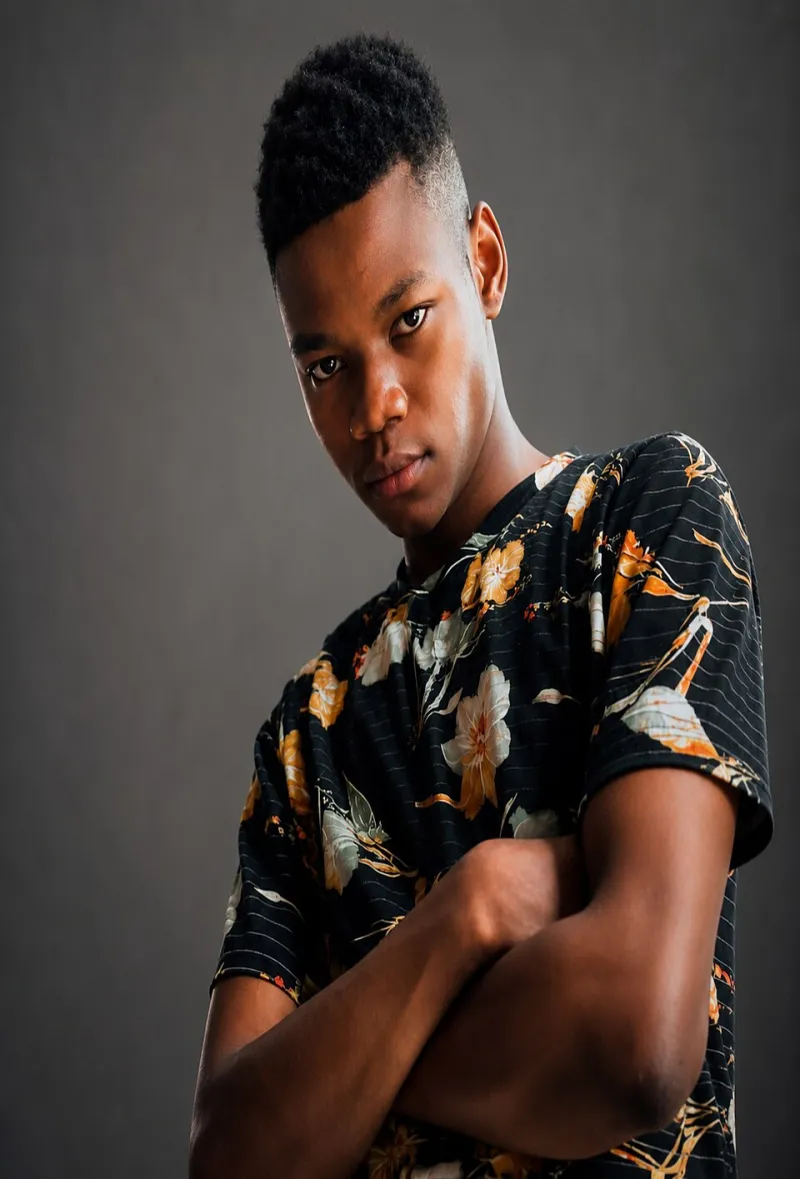
Photo: Femskid, CC BY-SA 4.0, via Wikimedia Commons
For decades, making music that deliberately unsettled people was basically a financial death wish. You played the weird stuff, you got the weird audience — small, loyal, and notoriously broke. The conventional wisdom was simple: if it doesn't feel good, it doesn't sell. But something has quietly shifted in the economics of experimental music, and the artists who built careers in the uncomfortable corners of sound are suddenly looking a lot less like martyrs and a lot more like visionaries.
The dissonance dividend, as some in the industry are starting to call it, is real. And it's reshaping what it means to run an independent music career in America.
The Old Model Was Never Built for This Music Anyway
Let's be honest — the traditional music industry infrastructure was never designed to accommodate artists who intentionally challenge their listeners. Radio programmers, A&R reps, streaming playlist curators — these gatekeepers optimized for accessibility, for the kind of music that slides past your defenses without friction. Dissonant, experimental, and avant-garde artists were essentially locked out by design.
That exclusion turned out to be a strange kind of gift. Because when those artists had no path through the mainstream machine, they were forced to build their own infrastructure. Direct-to-fan relationships became the default, not a marketing strategy. And when platforms like Patreon, Bandcamp, and eventually Discord showed up, experimental musicians were already primed to use them aggressively.
Artists who had spent years cultivating small but intensely devoted audiences discovered that those audiences were willing to pay — not just for music, but for access, context, and community.
Patreon and the Architecture of Dedicated Weirdness
Patreon has become one of the clearest windows into how this economy actually functions. While pop artists chase streaming numbers, a growing cohort of experimental musicians has built monthly subscription models that generate steady, predictable income from listeners who specifically want the challenging stuff.
The structure works because dissonant music tends to attract a particular kind of fan: curious, intellectually engaged, and genuinely interested in understanding what they're hearing. That's an audience that responds well to exclusive content — early releases, process videos, compositional breakdowns, live sessions that go places the recorded work doesn't.
Some artists in the experimental space are pulling five figures monthly from Patreon alone, with tier structures that reward deeper engagement. The top tiers often feel less like fan clubs and more like apprenticeships — subscribers get direct access to the artist's working process, sometimes even input into creative decisions. For music that's already asking a lot from its listeners, that level of intimacy makes sense. The audience is already leaning in.
Discord as a Revenue Engine, Not Just a Chat Room
The Discord angle deserves its own look. What started as a gaming communication tool has become one of the most powerful monetization layers available to independent experimental artists, and the community dynamics of challenging music make it particularly effective.
Here's the thing about people who genuinely love dissonant music: they want to talk about it. They want to argue about tuning systems and discuss the emotional weight of a specific chord cluster and share the obscure records that led them here. Discord gives them a place to do that, and artists who position themselves at the center of those communities — as hosts, curators, and conversation starters — build something more durable than a fanbase. They build a culture.
Artists are monetizing that culture through paid Discord tiers that offer exclusive channels, private listening parties, and direct Q&A access. Some have gone further, essentially running micro-labels out of their Discord servers, signing other experimental artists and taking a small cut of sales facilitated through the community. The server becomes a venue, a record shop, and a social club simultaneously.
NFTs: Still Standing, Quietly Working
The NFT conversation got loud and then got embarrassing fast, but strip away the hype and there's a model underneath that has genuinely worked for some experimental artists. The key difference is that experimental music fans were never buying into get-rich speculation — they were buying into ownership and exclusivity in a way that mapped onto how they already engaged with music.
Limited digital releases, exclusive audio files, tokenized access to live performances — these aren't abstract concepts for an audience that already treats music as a collector's item. Experimental record culture has always had a strong physical artifact component, from hand-numbered vinyl to cassette runs of fifty copies. NFTs, for artists who approached them seriously rather than as a cash grab, extended that logic into the digital space.
Several experimental artists have used NFT sales not to replace traditional revenue but to fund specific projects — a studio album, a live tour, a commissioned piece for a specific venue. The transaction feels more like patronage than commerce, which suits both the artists and their audiences just fine.
Venture Capital Finds the Edge
Perhaps the strangest development in all of this is that venture capital has started paying attention. Not to individual artists — yet — but to the platforms and tools that experimental music communities have adopted. Investors who spent years chasing mainstream streaming metrics are now looking at the engagement numbers coming out of niche music communities and seeing something that pop audiences rarely generate: genuine loyalty and consistent spending behavior.
The logic is straightforward once you see it. A fan who pays monthly for Patreon access, buys physical releases, attends live shows, and participates in a paid Discord community is worth dramatically more than a passive Spotify listener. Experimental music, almost by accident, built an audience of active participants rather than passive consumers. That's the engagement model that every platform in the attention economy is desperately trying to manufacture.
Music tech platforms are starting to build tools specifically for artists whose audiences look like this — small in raw numbers, enormous in per-fan value. That's a market segment that didn't exist in any meaningful commercial sense ten years ago.
What This Means for the Music Itself
There's an obvious tension worth naming here. The moment uncomfortable music becomes a viable commercial category, does it stop being uncomfortable? Does the dissonance lose its edge when there's a subscription tier attached to it?
The artists navigating this successfully seem to have found a workable answer: the business model doesn't have to compromise the music if the community is built around genuine artistic values rather than manufactured edginess. The fans who show up for challenging music are good at detecting when an artist is performing difficulty versus actually pursuing it. That accountability keeps things honest.
The dissonance dividend, in other words, is only real if the dissonance is. The artists who are building sustainable careers here aren't doing it by pretending to be weird — they're doing it by being exactly what they've always been, and finally having the infrastructure to get paid for it.
For anyone who spent years assuming that experimental music was an economic dead end, that's a genuinely satisfying plot twist.