Signing the Unsignable: How Labels Are Finally Putting Real Money Behind Music That Makes People Uncomfortable

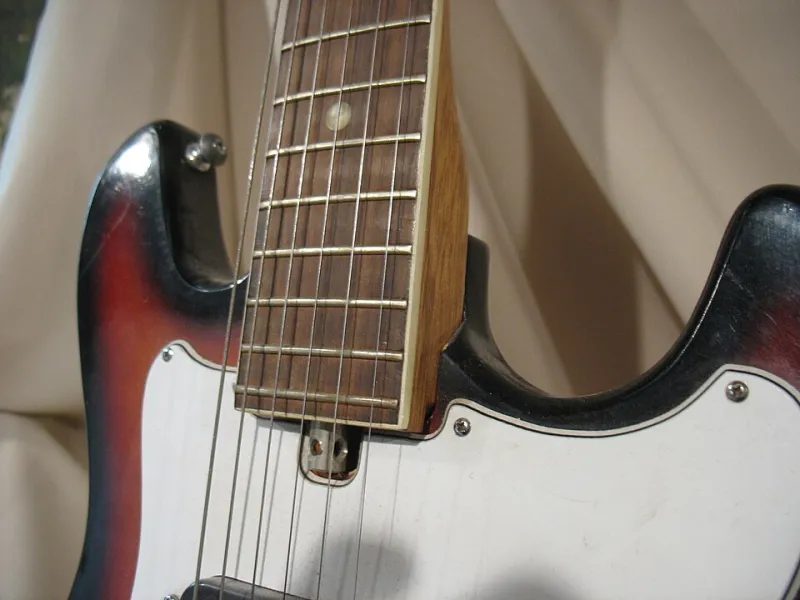
Photo: Eagledj, CC BY-SA 4.0, via Wikimedia Commons
For most of recorded music history, the A&R playbook was brutally simple: find something that sounds like what's already working, sign it, and ship it to radio. Anything that veered too far from the center — too angular, too abrasive, too weird — got shelved as a passion project or left to scrappy indie labels operating out of someone's apartment. That calculus is changing, and the shift is happening faster than most people in the industry expected.
Labels that once wouldn't return calls from artists making challenging, dissonant, or deliberately uncomfortable music are now actively courting them. The reason isn't some sudden cultural enlightenment. It's the data.
What the Numbers Started Telling the Suits
Streaming platforms have an uncomfortable habit of exposing the gap between what executives think listeners want and what they actually play on repeat at 2 a.m. When Spotify and Apple Music began releasing granular listening behavior data to label partners, the results raised some eyebrows in boardrooms that had never previously spent five minutes thinking about music that sounds like it's actively arguing with itself.
Experimental and dissonant releases were generating longer average listen times. Completion rates on tracks that should've, by conventional wisdom, caused listeners to skip immediately were holding up. More importantly, the playlist behavior around challenging music was different — fans weren't just streaming it passively. They were building entire listening sessions around it, returning to it, sharing it in niche communities that turned out to be a lot less niche than anyone assumed.
A&R executives who spoke to us — several of whom asked to remain unnamed because their labels haven't officially shifted public strategy — described a slow but unmistakable internal reckoning. "We kept seeing these numbers that didn't match our assumptions," said one A&R director at a mid-sized label with distribution ties to a major. "Artists we would've passed on five years ago were building the kind of listener loyalty that pop acts spend millions of marketing dollars trying to manufacture."
The Indie Labels Saw It First
To be fair, the independent sector figured this out a long time ago. Labels like Sacred Bones, Profound Lore, and Ipecac Recordings built entire identities around the idea that difficult music deserved professional infrastructure. What's new is the upstream migration — the moment when the major label ecosystem stopped treating those indie successes as anomalies and started treating them as templates.
The acquisition and distribution deals that have quietly stacked up over the last few years tell part of the story. When a major label's distribution arm picks up a boutique imprint known for releasing music that sounds like a building falling down in slow motion, that's not charity. That's a business decision backed by someone's spreadsheet.
Producers who've worked across both worlds describe the shift in practical terms. The conversations that used to end with "we love it, but we don't know how to market it" are increasingly ending with actual offers. Not always huge ones, but real ones — with real promotional commitments attached.
The Marketing Problem That Became a Marketing Opportunity
Here's the thing nobody in the industry talks about openly: difficult music is remarkably easy to build a story around. In an era when every new pop release is fighting for three seconds of TikTok attention against ten thousand other releases, an artist whose music genuinely unsettles people has a built-in hook. The discomfort is the pitch.
Label marketing teams, often younger and more digitally native than the executives above them, have started leaning into this. Campaigns built around the idea of challenging the listener — framing dissonance as an experience rather than a defect — have found real traction with audiences who are actively suspicious of anything that feels too polished or too easy.
There's also a demographic reality at play. Younger listeners, particularly in the 18-to-30 bracket that streaming platforms obsess over, have grown up with access to everything. They've heard it all. Music that actually surprises them, that resists easy categorization, carries a novelty premium that conventional releases can't compete with.
The Tension That Hasn't Gone Away
None of this means the industry has fully converted. There's still a significant gap between labels expressing interest in challenging artists and labels actually committing to long-term development of those artists. The fear of the difficult second album — or the difficult first album that doesn't immediately justify its advance — hasn't disappeared.
Some artists and managers working in the experimental space are cautious about what this new label attention actually means in practice. Getting signed to a major-affiliated deal doesn't automatically mean getting the kind of patient, sustained support that dissonant music often requires to find its audience. There are real concerns about artists being picked up, given a modest push, and then quietly dropped when they don't perform like a conventional release.
The producers and label heads who are most optimistic about this moment tend to be the ones who've built their own frameworks for understanding what success looks like for challenging music — metrics that aren't just first-week streams, but community growth, critical longevity, and the kind of word-of-mouth that builds a catalog rather than a single.
Where This Is Headed
The honest answer is that nobody knows yet. What's clear is that the conversation has changed. Music that was once automatically filtered out of serious label consideration is now at least getting a hearing, and in some cases getting real investment. The streaming era's relentless transparency about listener behavior has made it harder to dismiss entire genres and aesthetics based on gut feeling alone.
For artists who've spent years operating on the margins — making music that challenges, abrades, and occasionally alienates — this is a strange new landscape. The gatekeepers are still there, but the gates are cracked open in ways they weren't before. Whether that opening gets wider or quietly closes again depends on whether the data keeps making the case that it's been making.
Right now, at least, the numbers are on the side of the difficult.