Four Walls, Infinite Tension: How Bedroom Producers Cracked the Code on DIY Dissonance
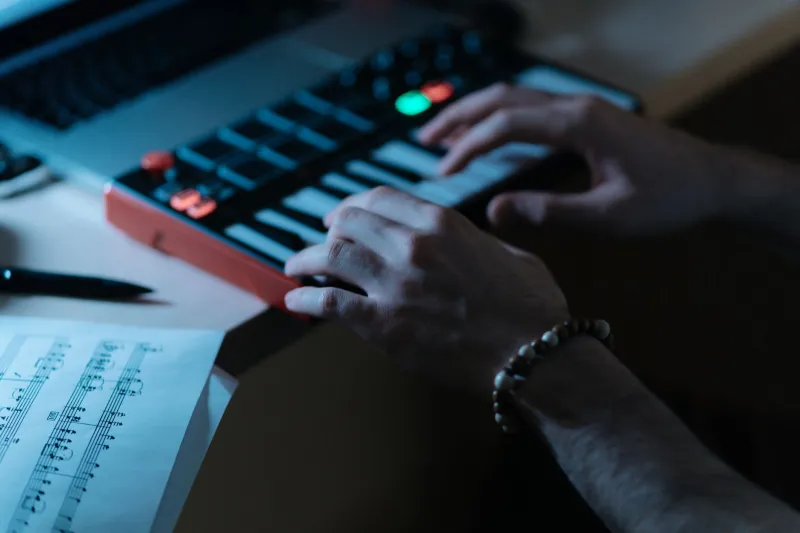
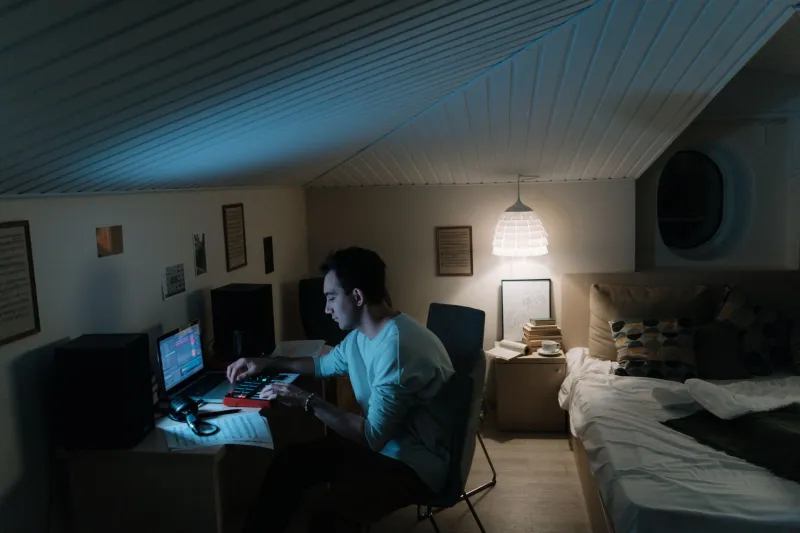
There's a running joke among experimental producers that the best reverb is a bathroom at 2 a.m. when your roommate is asleep. It's funny because it's true, and also because it points to something real: the most challenging, boundary-pushing music being made in America right now is largely being made in spaces that were never designed to make music at all.
The bedroom studio isn't new. Lo-fi hip hop built an entire aesthetic empire out of imperfect acoustics and consumer-grade gear. But something different is happening in the world of dissonant, Locrian-influenced sound. Artists working with unsettling intervals, unresolved tension, and deliberately uncomfortable harmonic choices are finding that the home environment doesn't just accommodate their work — it actively enhances it.
The Room Is Part of the Sound
Ask Marcus Veld, a 26-year-old producer from Albuquerque who's been releasing drone-heavy experimental records under the name Fallow Ground for three years, and he'll tell you the imperfections aren't bugs. They're features.
"I spent a year trying to acoustically treat my room," he says, gesturing around a space that still has moving blankets stapled to two walls and a mattress leaning against a third. "And then I just stopped, because everything I was trying to fix — the flutter echo, the low-end buildup in the corners — it was doing something to the recordings that I actually liked. The room was adding anxiety to the sound."
That anxiety, it turns out, is currency in dissonant music. Where a pop producer might spend thousands eliminating room noise and acoustic anomalies, producers working in harsher sonic territory are learning to exploit those same qualities. A slightly boxy low-end makes a bass drone feel more claustrophobic. A flutter echo on a sustained guitar note adds an almost subliminal instability that processed reverb plugins can't quite replicate.
This isn't accidental sloppiness. It's intentional craft operating under different rules.
Bypassing the Gatekeepers
For decades, making genuinely challenging music meant convincing someone with resources that your vision was worth funding. That meant labels, managers, and studio time — all of which came with opinions, compromises, and a gravitational pull toward the commercially viable. Dissonant music, almost by definition, resisted that pull. And so it often went unmade, or got softened into something more palatable by the time it hit tape.
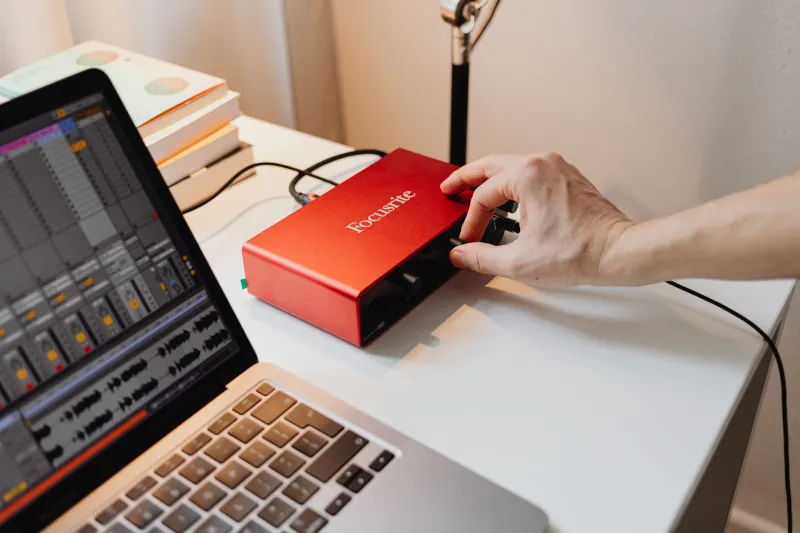
The collapse of those barriers has been well-documented in mainstream music. What's less discussed is how dramatically it changed the calculus for experimental artists specifically. When the cost of entry drops to a used audio interface and a copy of Ableton, the question stops being "can I afford to make this?" and starts being "how weird do I actually want to go?"
Sadie Kroll, who records as Pale Augur out of a converted walk-in closet in Cincinnati, puts it plainly: "Nobody told me I couldn't. That's the whole thing. There was nobody to tell me. I just made the record I wanted to make, and it was the most dissonant thing I'd ever heard, and I put it online."
That record, released without a label or PR campaign, found an audience through Bandcamp and Reddit's experimental music communities. It's been downloaded tens of thousands of times. A version of it is currently being considered for a horror film soundtrack.
The Technical Puzzle of Capturing Dissonance at Home
There are real challenges to home recording that become especially pronounced when you're working with difficult sonic material. Dissonant music often lives in frequency ranges that cheap monitors lie about. The complex overtone interactions that make a Locrian-based composition feel genuinely unsettling can disappear — or worse, turn muddy — when you're mixing on $80 headphones in an untreated room.
Producers working in this space have developed workarounds that are equal parts technical and intuitive. Many mix in multiple listening environments deliberately — car speakers, phone speakers, earbuds — to catch what their main setup is hiding. Others lean into referencing: comparing their mixes to existing records they know well across those same imperfect playback systems.
"I mix on my laptop speakers for the last 20 percent of every session," says Derek Soo, a Chicago-based producer who releases experimental electronic music under his own name. "Not because I think that's the right way to do it, but because I know how my laptop speakers lie. I've calibrated my ears to them. At this point, that's its own kind of reference point."
The lo-fi aesthetic that has emerged from these constraints isn't just accepted by listeners in the experimental music world. It's often preferred. There's a rawness to home-recorded dissonant music that feels honest in a way that expensive, over-produced versions of the same sounds don't. When a sustained note decays into the ambient hiss of a bedroom recording, the imperfection reads as vulnerability. That vulnerability is part of what makes the discomfort feel real rather than manufactured.
Community as Infrastructure
One thing the home studio can't provide is the feedback loop that used to come from being around other musicians. But that gap has been filled, imperfectly but effectively, by online communities that have become increasingly sophisticated in the specificity of their focus.
Discord servers dedicated to specific experimental subgenres now function almost like informal A&R operations, with producers sharing works-in-progress and receiving detailed, technically literate feedback from peers scattered across the country. Producers in rural areas who would previously have had no community to plug into are now embedded in networks that span continents.
"I'm from a small town in rural Pennsylvania," says Veld. "There was nobody making this kind of music within three hours of me. But online, I found my people immediately. And they were brutally honest, which is what I needed."
What the Labels Are Starting to Notice
Here's the irony that nobody in the industry is quite ready to say out loud: the bedroom producers who bypassed the labels are now the ones the labels are calling. The authenticity and sonic specificity that home recording enabled — the thing that made these artists impossible to sign five years ago — is now exactly what makes them interesting to sync licensing companies, film studios, and the occasional major looking for something that doesn't sound like everything else.
The bedroom isn't just a workaround anymore. For a growing number of dissonant music producers, it's the whole point. The constraints shaped the sound. The sound found its audience. And the audience, it turns out, was a lot bigger than anyone expected.
The four walls held. And inside them, something genuinely new got made.